
The Differences Between Real Turf & Artificial Turf
Updated: Feb 6
Choosing the Right Type of Garden Grass for Your Family Home
Choosing the right type of garden grass for your family home can be a tough decision. Whether you want a lush, natural lawn or a low-maintenance alternative, understanding the differences between real turf and artificial turf is essential.
Both outdoor landscaping options have their benefits and drawbacks. The choice depends on your lifestyle, budget, and garden needs.
We've spent time researching and comparing these two popular landscaping turf options. Our goal is to help you make an informed decision about which turf type would be most suitable for your garden.

What Is Real Turf?
Real turf, also known as real grass or authentic grass, is natural grass grown in soil. It is harvested in rolls or slabs and laid down to create a living lawn. Real turf offers a genuine outdoor experience with the natural scent, feel, and look of grass. It supports biodiversity by providing a habitat for insects and small wildlife.
Benefits of Real Turf
Natural appearance and feel: Real grass has a softness and natural scent that fake grass cannot fully replicate.
Cooling effect: Real turf cools the surrounding air, which is especially pleasant during hot summer days.
Environmental benefits: It absorbs carbon dioxide and releases oxygen, helping improve air quality.
Supports wildlife: Real turf provides a home for beneficial insects and earthworms, which improve soil health.
Challenges of Real Turf
Maintenance: Real turf requires regular mowing, watering, fertilising, and pest control.
Seasonal changes: It can brown or thin out during droughts or cold weather.
Wear and tear: Heavy foot traffic can damage the grass, leading to bare patches.
Installation time: It takes time for the turf to root and settle properly.
What Is Artificial Turf?
Artificial turf, also commonly called synthetic turf or simply fake grass, is a synthetic surface made from plastic fibers designed to look like natural grass. It is often used in sports fields, commercial landscaping, and increasingly in residential gardens. Artificial turf offers a consistent green look year-round without the need for watering or mowing.
Benefits of Artificial Turf
Low maintenance: No mowing, watering, or fertilising is needed, saving time and effort.
Durability: It withstands heavy use and harsh weather without damage.
Consistent appearance: Artificial turf stays green and lush all year, regardless of climate.
Water conservation: It eliminates the need for irrigation, which is great for drought-prone areas.
Challenges of Artificial Turf
Initial cost: Installation can be expensive compared to laying real turf.
Heat retention: Fake grass can get very hot in direct sunlight, making it uncomfortable to walk on.
Environmental concerns: It is made from plastics and hasn't typically supported wildlife or soil health. However, manufacturers are introducing more eco-friendly options to mitigate some impacts.
Surface hardness: Artificial turf can be less forgiving for children playing or pets running.
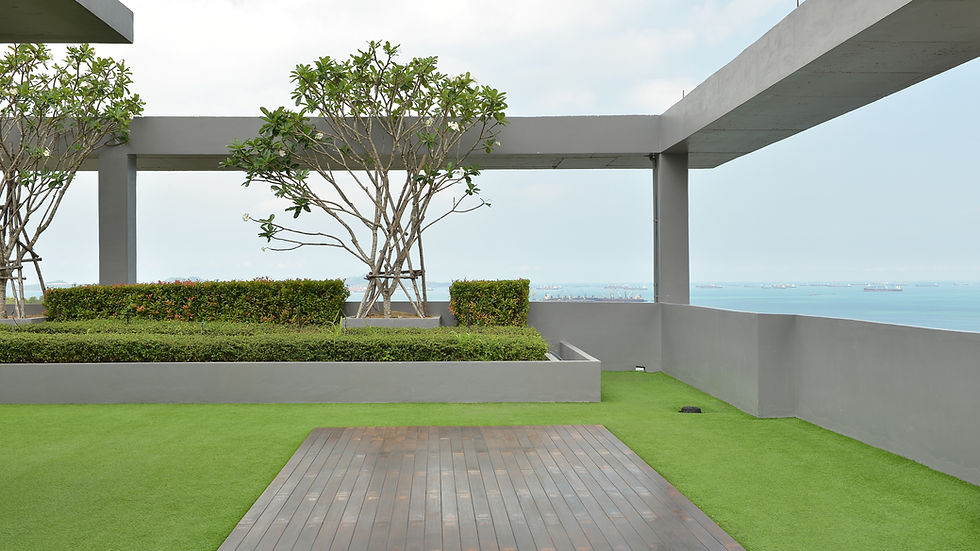
Comparing Real Turf and Artificial Turf for Family Gardens
When deciding between authentic turf and artificial turf for your garden grass, consider these key factors:
Appearance and Feel
Real turf offers a natural texture and scent that many homeowners love. It changes with the seasons, showing new growth in spring and a rich green colour in summer. Artificial turf looks perfect all year but can feel less soft and natural underfoot.
Maintenance and Upkeep
Real grass needs regular care: watering, mowing, aerating, and fertilising. This can be time-consuming but rewarding for garden enthusiasts. Fake turf requires minimal maintenance—just occasional brushing and rinsing to remove debris.
Cost Over Time
Real turf is generally cheaper to install but costs more in ongoing maintenance, water, and lawn care products. Artificial turf has a higher upfront cost but lower maintenance expenses, making it cost-effective over 10 to 15 years.
Environmental Impact
Real turf supports ecosystems and helps cool the environment but uses water and chemicals. Artificial turf saves water but is made from non-biodegradable materials and can contribute to microplastic pollution. It's important to note that manufacturers are making a concerted effort to address and reduce these environmental concerns.
Usability and Safety
For families with children and pets, real turf provides a soft, natural surface that absorbs falls well. Artificial turf is durable and clean but can become hot and hard, which may be less comfortable or safe during play.
Practical Examples for Homeowners
If you live in a dry climate with water restrictions, artificial turf can keep your garden green without wasting water.
For a family that enjoys gardening and spending time outdoors, real turf offers a sensory experience and a natural environment.
If your garden sees heavy foot traffic or pets, artificial turf resists wear and mud better.
For those wanting a quick garden makeover, artificial turf installs faster and looks good immediately.

Final Thoughts on Choosing Between Real and Artificial Turf
Choosing between real turf and artificial turf depends on your priorities. Real grass offers authenticity, environmental benefits, and a natural feel but requires ongoing care. Artificial turf provides convenience, durability, and water savings but lacks the living qualities of real grass.
Think about your garden’s use, climate, maintenance willingness, and budget. If you want a natural lawn and enjoy gardening, real turf is a great choice. If you prefer a low-maintenance, always-green lawn, artificial turf might be better.
Additional Considerations
When making your decision, consider the long-term implications of your choice. The initial investment in artificial turf might seem high, but its durability can lead to savings over time. On the other hand, the joy of nurturing a real lawn can be rewarding for many families.
Seeking Professional Help
If you're still unsure, seeking advice from professionals can be beneficial. They can provide insights tailored to your specific garden conditions and help you weigh the pros and cons based on your unique situation.
Conclusion
Ultimately, the choice between real and artificial turf is personal. I encourage you to evaluate your lifestyle, preferences, and garden needs carefully. Remember, both options can enhance your outdoor space, but the right choice will depend on what you value most in your garden.


Comments